
Restore Volume with Your Own Natural Fat
Enhance facial or body contours using fat carefully collected from another area of your body and transferred to create personalized, natural-looking volume.
What is fat transfer?
Natural Volume, Personalized to You
Fat transfer—also called fat grafting—is a surgical procedure that removes fat from one area of your body through liposuction, prepares it, and carefully transfers it to another area where additional volume or contouring is desired.
Because the procedure uses your own tissue, it provides an alternative to synthetic fillers or implants for appropriately selected patients.
Results That Develop as You Heal
What areas can be treated?
- Face and cheeks
- Under-eye area
- Lips or surrounding facial areas
- Hands
- Breasts
- Hips and contour irregularities
- Buttocks
Potential benefits
Enhancement Designed Around Your Features
Fat transfer may provide:
- Restored volume in selected areas
- Improved facial or body contours
- Natural-looking enhancement
- Contouring of the donor area through liposuction
- Longer-lasting volume than some temporary fillers
- A treatment using the patient’s own tissue
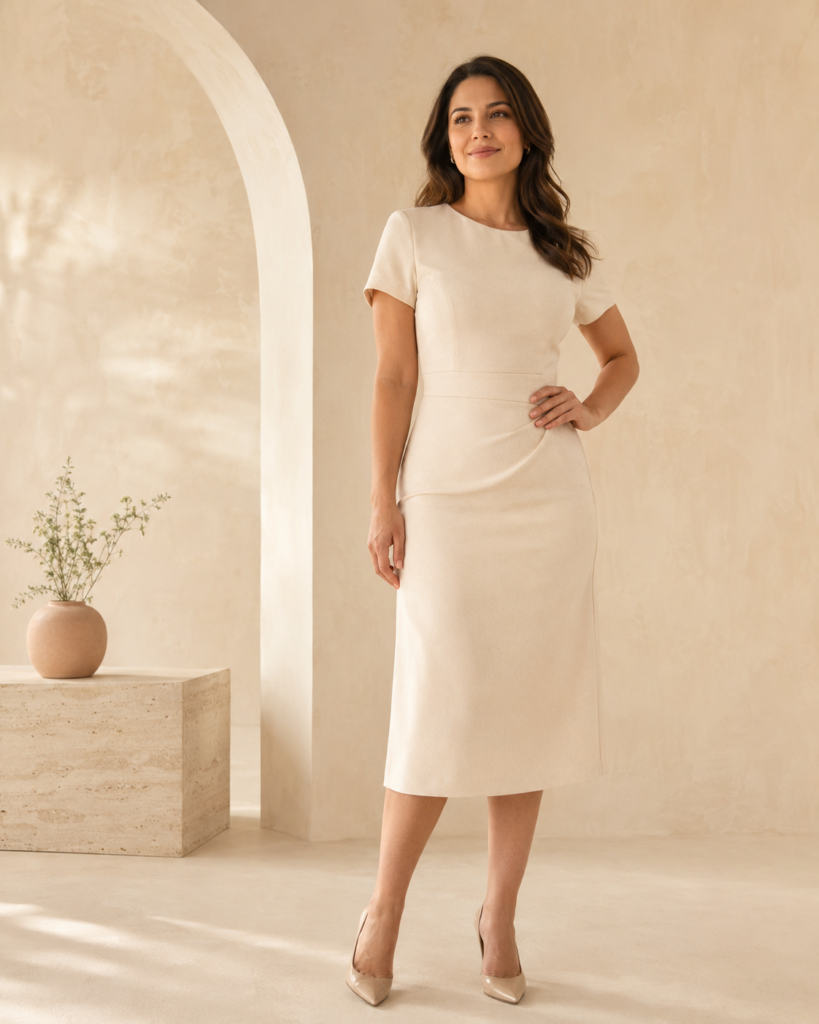
Thoughtful Planning. Naturally Inspired Results.
Your treatment experience
1
Step 1: Surgical Consultation
Your provider reviews your health history, previous procedures, medications, treatment goals, and the areas you would like to enhance. Your available donor fat and overall candidacy will also be evaluated.
4
Step 4: Fat Preparation
The harvested tissue is processed to prepare it for transfer. Specific preparation methods vary according to the procedure and equipment used.
2
Step 2: Personalized Surgical Plan
The physician identifies an appropriate donor area, transfer area, surgical setting, anesthesia plan, and expected recovery. Photographs and measurements may be taken for treatment planning.
5
Step 5: Fat Placement
The prepared fat is carefully transferred into the selected treatment area to create volume and contour according to the surgical plan.
3
Step 3: Fat Collection
Fat is collected from the selected donor area using liposuction. Common donor areas may include the abdomen, waist, back, or thighs.
6
Step 6: Recovery and Follow-Up
You will receive instructions for caring for both the donor and transfer areas. Follow-up appointments allow the physician to monitor healing and evaluate your developing results.
You ask, we answer
Frequently asked questions
No. Dermal fillers use manufactured injectable materials, while fat transfer uses fat collected from your own body. Fat transfer also involves liposuction and is considered a surgical procedure.
Common donor areas include the abdomen, waist, back, and thighs. Your physician will determine the most appropriate area based on your anatomy and treatment plan.
Some transferred fat may remain long term, but not all of it will survive. Results can also change with aging, pregnancy, and fluctuations in body weight.
Fat retention varies considerably and cannot be predicted precisely. Technique, treatment area, aftercare, smoking, health, and individual healing can all influence the outcome.
Some patients may require an additional procedure because part of the transferred fat is naturally reabsorbed or because their goals require staged treatment.
No. The liposuction performed for fat transfer is intended to collect and contour fat—not serve as a weight-loss treatment.
Recovery varies by donor area, treatment area, and procedure extent. Your physician will provide a personalized timeline for work, exercise, sleeping, sitting, and normal activities.