
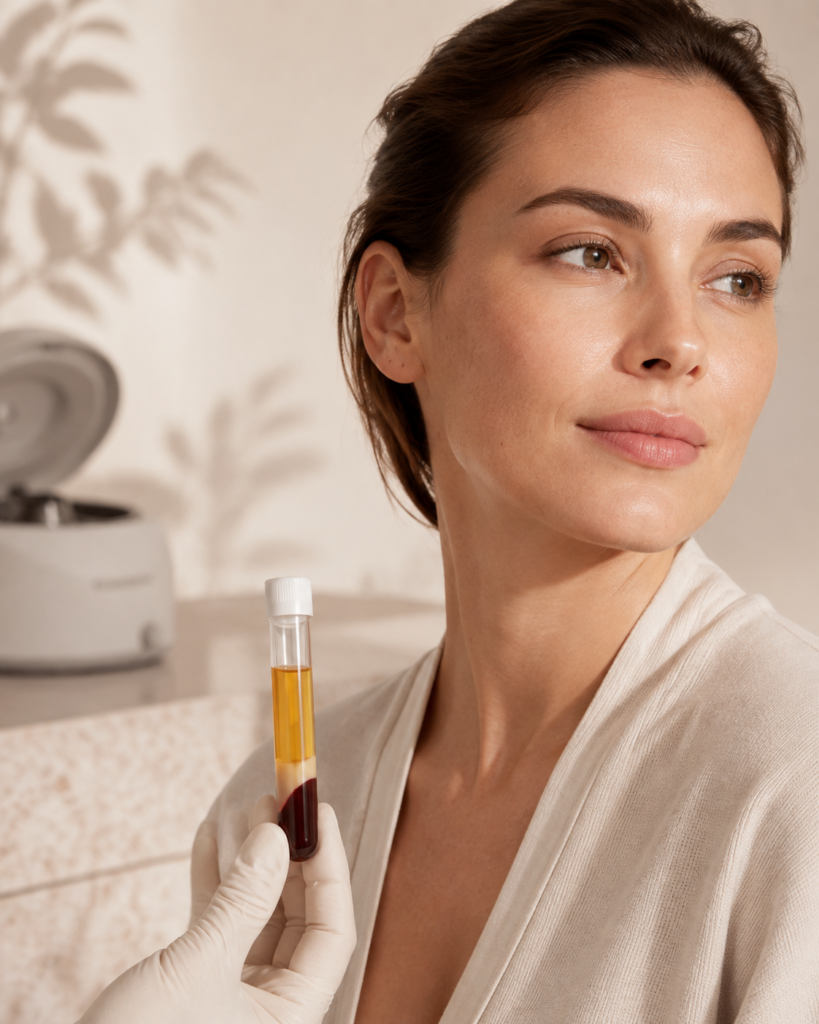
Rejuvenate Naturally with PRP
Harness the restorative components of your own blood with a personalized treatment designed to refresh your skin or support healthier-looking hair.
What is PRP?
Your Body’s Own Approach to Rejuvenation
Platelet-rich plasma, commonly called PRP, is prepared from a small sample of your own blood. The sample is processed to concentrate the platelets and plasma, which are then applied or injected into targeted areas as part of a personalized aesthetic treatment.
PRP may be used to support:
PRP Skin Rejuvenation
- Smoother-looking skin
- Improved appearance of skin texture
- A refreshed, more radiant complexion
- Reduced appearance of certain fine lines
- Overall facial rejuvenation
PRP Hair Restoration
- Support healthier-looking hair
- Improve the appearance of hair density
- Address certain types of thinning hair
- Complement an individualized hair-restoration plan
Who may be a candidate?
Is PRP Right for You?
PRP may be considered by adults seeking a personalized approach to skin rejuvenation or certain types of hair thinning. A medical consultation is necessary to determine whether the treatment is appropriate for your condition, health history, and goals.
PRP may not be appropriate for everyone, including some people with:
- Blood or platelet disorders
- Active infection in the treatment area
- Certain medical conditions
- A history of abnormal bleeding or clotting
- Use of medications that affect bleeding or platelet function
- Pregnancy or breastfeeding
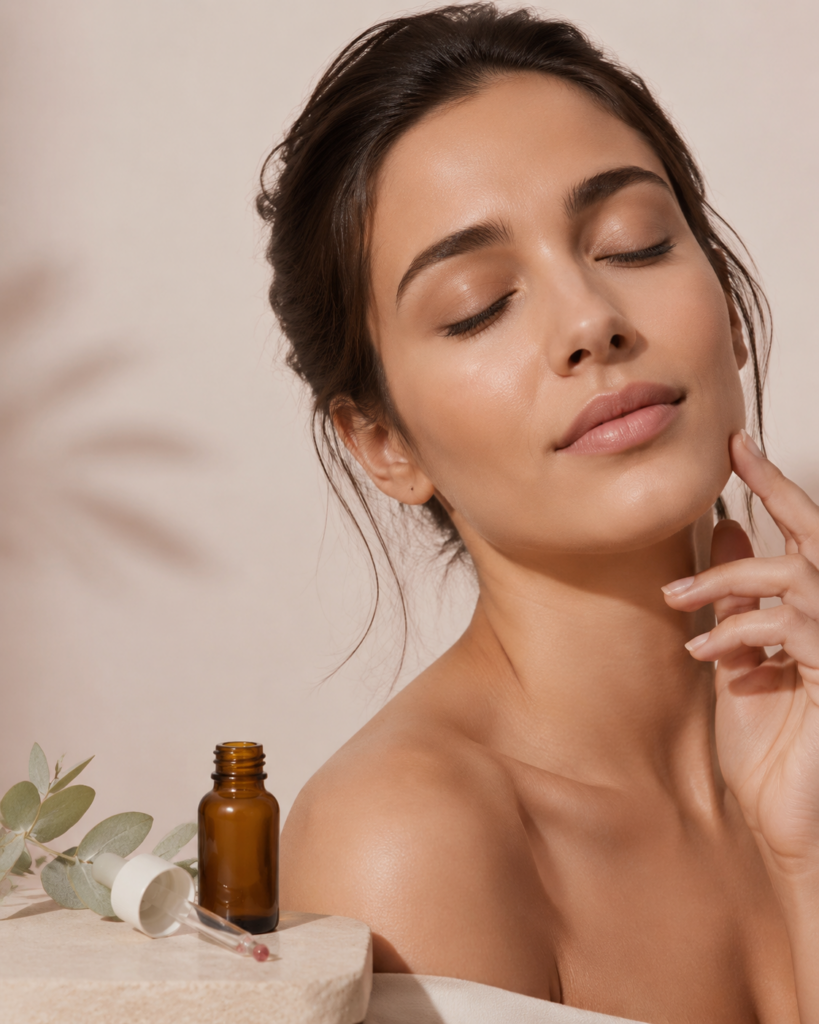
How does PRP work?
Platelets contain proteins and growth factors involved in the body’s normal healing processes. By concentrating these platelets and delivering the PRP to targeted areas, the treatment is intended to support the skin or scalp’s natural restorative response.
1
Personalized Consultation
Your provider will evaluate your concerns, medical history, medications, and goals to determine whether PRP may be appropriate for you.
2
Blood Collection
A small amount of blood is drawn, similar to a routine laboratory blood draw.
3
PRP Preparation
The blood is placed in specialized equipment that separates and concentrates the platelet-rich portion.
4
Treatment
The prepared PRP is carefully injected or applied to targeted areas, depending on your treatment plan. Your provider will then explain your aftercare and follow-up recommendations.
You ask, we answer
Frequently asked questions
PRP is prepared from a small sample of your own blood. The sample is processed to separate and concentrate the platelet-rich portion before it is applied or injected into the targeted area.
Appointment length depends on the treatment area and technique being used. Your visit will include blood collection, preparation of the PRP, treatment, and personalized aftercare instructions.
Patients may feel the initial blood draw and temporary pinching, pressure, or discomfort during treatment. Sensitivity varies based on the treatment area and the individual.
Downtime is generally limited, but redness, swelling, tenderness, or bruising may occur. Your provider will explain when you can resume skincare, makeup, exercise, and other activities.
Some patients may be advised to complete an initial series followed by maintenance appointments. The recommended number and frequency depend on your concerns, treatment area, response, and provider’s clinical protocol.
PRP results appear gradually. Changes in skin texture may become noticeable over the weeks following treatment, while hair-related changes may take several months to assess. Results vary and are not guaranteed.
The duration varies based on the treatment area, individual response, lifestyle, and maintenance plan. Your provider may recommend periodic treatments to help maintain your results.
PRP is prepared from your own blood, which reduces—but does not eliminate—certain risks. Possible effects include pain, bleeding, bruising, swelling, infection, tissue or nerve injury, and an unsatisfactory result. A qualified provider should review the risks and benefits with you beforehand.